

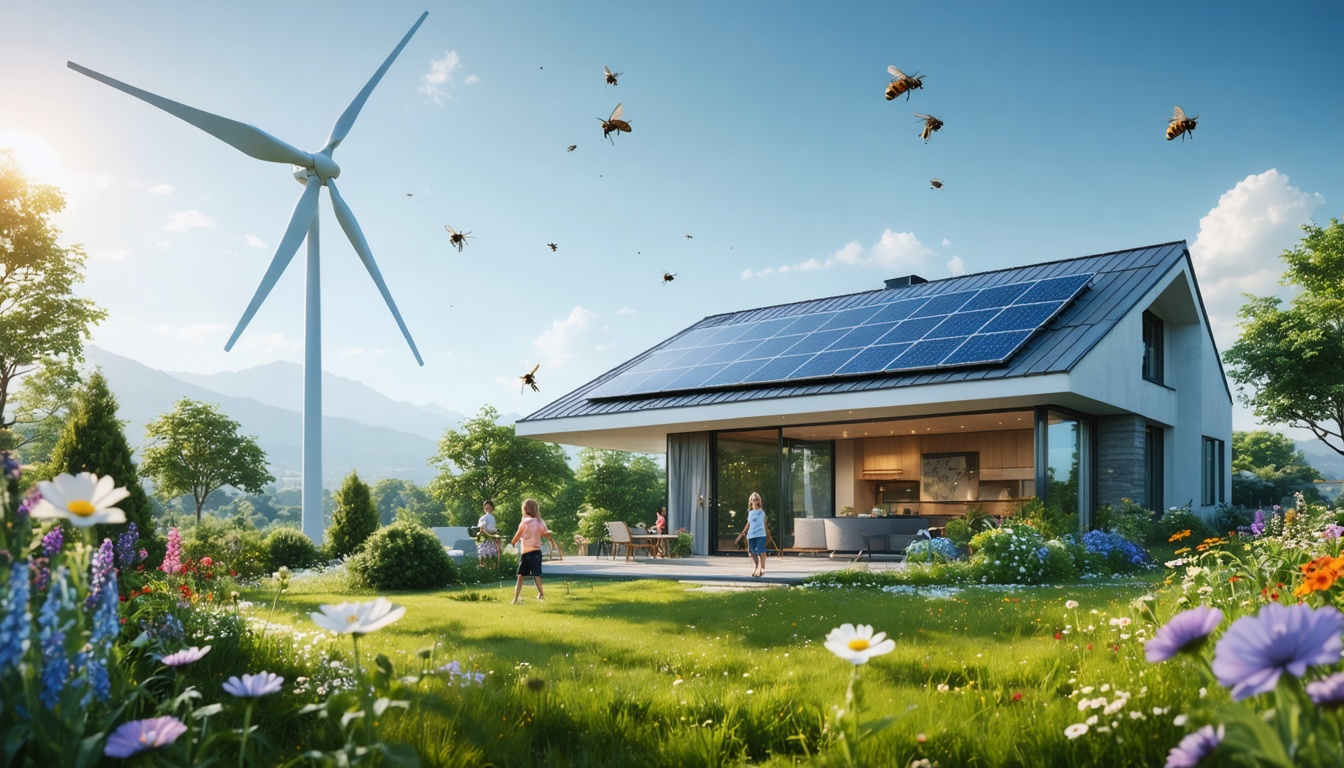
The Environmental Benefits of Choosing Renewable Energy at Home
Switching your home to renewable energy involves considerations that extend beyond just the monthly utility bill. The energy consumed for daily activities such as lighting and heating water contributes to overall air quality, climate stability, and the local environment. Different energy sources have varying impacts; for example, fossil fuels emit greenhouse gases and pollutants, whereas renewable sources like solar, wind, and hydropower produce little to no emissions during energy production. The transition to renewable energy can lead to measurable improvements in air quality, as it reduces the reliance on fossil fuels that contribute to smog and respiratory problems. Moreover, renewable energy is associated with lower carbon emissions, which can help mitigate climate change and its effects on weather patterns, sea levels, and ecosystems. Additionally, renewable energy systems, particularly when implemented on a local scale, can alter the landscape. While solar panels may occupy space, they often have a smaller environmental footprint compared to traditional energy infrastructure. As such, the choice of energy source has implications not only for personal energy costs but also for public health and ecological integrity in the long term. In summary, choosing renewable energy for your home can significantly impact air quality, climate change mitigation, and local environments, offering benefits that extend well beyond energy bills.
Understanding Renewable Energy and Its Sources
Selecting renewable energy sources such as solar, wind, and hydropower is essential for generating sustainable electricity. These resources are naturally replenished, providing an alternative to fossil fuels. The deployment of solar panels, wind turbines, and heat pumps allows for energy extraction from these sources, which is crucial for reducing greenhouse gas emissions.
This shift toward renewable energy is particularly important for urban areas and the United States as a whole, considering the nation's goals to achieve Net Zero emissions and reduce carbon dioxide output. Utilizing cleaner energy sources has the potential to decrease air pollution and contribute to economic development through job creation in the renewable sector.
To effectively enhance sustainable electricity generation and improve air quality, it is important to develop robust renewable supply chains. Additionally, tax incentives and targeted financial strategies play a significant role in facilitating this transition.
These combined efforts are key in advancing toward a more sustainable energy landscape while ensuring environmental compliance and economic viability.
How Renewable Energy Reduces Greenhouse Gas Emissions
The continued reliance on fossil fuels significantly contributes to greenhouse gas emissions, which are a primary factor in climate change. In contrast, the implementation of renewable energy sources at the residential level offers a practical solution for reducing environmental impact. Renewable energy options, such as solar panels, heat pumps, and wind turbines, produce electricity and heat from natural resources with minimal to no associated greenhouse gas emissions.
Transitioning to renewable energy can play a crucial role in lowering carbon dioxide emissions, which is vital for meeting Sustainable Development Goals and pursuing Net Zero targets. Research supports the notion that increased adoption of renewable energy technologies in homes and urban areas could lead to notable reductions in overall emissions on an annual basis.
Furthermore, financial incentives, including tax credits and various financing options available in the United States, can help to alleviate the initial costs associated with these technologies. Such incentives not only facilitate the move towards cleaner energy sources but also promote job creation within the renewable energy sector.
This dual benefit contributes to building a more resilient economy. Integrating renewable energy sources into the overall energy mix represents a pragmatic approach towards addressing climate change and encouraging sustainable development practices.
Cleaner Air and Improved Public Health
The transition to renewable energy involves significant changes in energy production and consumption that can positively impact air quality and public health. Implementing renewable energy technologies, such as solar panels, wind turbines, and electric vehicles, allows households and communities to reduce reliance on fossil fuels, which are major contributors to air pollution. According to health organizations, air pollution from energy production is responsible for nearly 7 million deaths each year globally.
Renewable energy sources generally result in minimal greenhouse gas emissions, which leads to improved air quality. This advancement not only provides health benefits by potentially reducing respiratory and cardiovascular diseases but also promotes economic development through job creation within the renewable energy sector.
The growth of this industry can provide new employment opportunities while enhancing local economies.
Moreover, the integration of renewable energy technologies can assist cities in achieving their Net Zero targets, supporting the shift towards more sustainable practices aimed at addressing climate change. These multiple benefits underscore the importance of transitioning to renewable energy as a pragmatic approach to improving public health, fostering economic stability, and addressing environmental challenges.
Less Water and Land Use Impact
When evaluating the transition to renewable energy for residential use, it is important to analyze its implications for natural resources. Renewable technologies, such as solar panels and wind turbines, require significantly less water and land compared to conventional fossil fuels.
In the United States, wind energy produces electricity with minimal greenhouse gas emissions and is compatible with national Net Zero emissions objectives. Additionally, biomass energy, derived from organic waste, generally exerts a lesser impact on land utilization.
The actions of urban populations and individual households implementing sustainable practices contribute to reductions in carbon dioxide emissions.
Moreover, these actions can promote the development of alternative electricity and heating solutions, which may facilitate job creation in related sectors. The shift towards renewable energy sources represents a methodical approach to addressing environmental issues while potentially yielding economic advantages.
Renewable Energy and Biodiversity Protection
The transition to renewable energy has notable implications for ecosystem health and biodiversity. Utilizing renewable energy sources such as solar panels, wind turbines, and heat pumps can significantly reduce dependence on fossil fuels. This shift is important, as renewable energy systems usually generate minimal to no greenhouse gas emissions, which is essential for addressing climate change.
In contrast, fossil fuel consumption is linked to various forms of environmental degradation, including air and water pollution and alterations to natural habitats. Renewable electricity generation methods, particularly wind and solar power, are associated with lower levels of air pollutants and their associated ecological impacts.
Moreover, improvements in supply chain practices, both in the United States and globally, are increasingly focused on achieving Net Zero emissions, which aligns with broader sustainability objectives.
Each measure adopted in the transition to renewable energy contributes to a reduction in carbon emissions, thereby enhancing ecosystem resilience. This relationship underscores the necessity of making informed choices about energy consumption to support biodiversity conservation effectively.
Lowering Household Carbon Footprints
Reducing a household's carbon footprint can be significantly achieved through the adoption of renewable energy sources that limit greenhouse gas emissions. The transition to renewable energy technologies such as solar panels, wind turbines, and heat pumps has the potential to decrease carbon dioxide emissions by considerable amounts—estimates indicate reductions of up to 80% annually.
This transition also contributes to a reduction in air pollution, as systems like wind and solar produce minimal direct carbon emissions.
The broader implementation of sustainable technologies supports national efforts in the United States to reduce reliance on fossil fuels, which have various environmental and economic consequences. Households that adopt these technologies contribute to achieving Net Zero targets and addressing the larger issues linked to climate change.
Furthermore, the shift toward renewable energy can create job opportunities within the green economy and diversify electricity generation sources.
In conclusion, integrating renewable energy at the household level offers a practical means to decrease carbon footprints, reduce air pollution, and support economic development while aligning with national sustainability goals.
Strengthening Community Resilience and Energy Independence
The implementation of renewable energy systems at the household level can enhance community management of energy production and distribution. By incorporating solar panels and wind turbines into residential areas, communities can create a more localized energy supply chain. This strategy may help reduce dependence on fossil fuel-based energy sources, ultimately leading to a decrease in carbon dioxide emissions.
Additionally, the shift toward renewable energy systems, such as heat pumps and electric vehicles, can reduce greenhouse gas emissions linked to electricity generation, contributing positively to air quality. The widespread adoption of these technologies supports a move toward achieving Net Zero emissions, addressing environmental challenges while also potentially generating employment opportunities within green industries.
This energy framework has the potential to reduce air pollution and lessen the effects of climate change over time, thereby enhancing economic resilience. Overall, it fosters a sustainable energy transition that can benefit both the environment and the economy.
Addressing Challenges and Limitations of Home Renewables
Homeowners exploring the implementation of renewable energy systems face several significant challenges, despite the acknowledged environmental benefits. One of the primary obstacles is the upfront financial investment required. Even with various tax incentives available, the initial costs associated with solar panels and heat pumps can still be considerable, which may discourage some homeowners from pursuing renewable energy options. However, hiring a professional Solar Battery Installer can help manage these costs and ensure a smooth installation process.
In regions where natural resources are limited, the energy generated from these renewable systems may not be sufficient when compared to traditional power plants, potentially leading to reduced efficiency. Furthermore, issues related to supply chains and regulatory frameworks within the renewable energy sector can hinder the adoption of cleaner technologies.
While innovations like wind turbines and electric vehicles contribute to lower levels of carbon emissions and improved air quality, practical challenges persist. These include the intermittent nature of renewable energy sources and the often complex permitting processes necessary for system installation.
Although government incentives can improve the economic feasibility of adopting renewable energy systems at home, fluctuations in economic conditions may still pose obstacles to their widespread implementation.
In conclusion, while transitioning to renewable energy for residential use presents distinct advantages, various financial, geographic, and regulatory challenges must be addressed to enable a successful shift toward these cleaner energy solutions.
Conclusion
Choosing renewable energy for residential use has several environmental benefits that contribute to a cleaner and healthier ecosystem. By utilizing sources such as solar, wind, or geothermal energy, households can significantly lower greenhouse gas emissions and improve air quality. This transition aids in the conservation of finite resources and can help in protecting various ecosystems and species. Furthermore, the adoption of renewable energy can promote local economic development by creating jobs in the renewable sector and reducing dependency on imported fossil fuels, thereby enhancing energy security. Households that implement renewable energy solutions often experience a decrease in their carbon footprint, which is a critical factor in addressing climate change. While there are challenges associated with the initial setup, such as installation costs and potential regulatory barriers, the long-term advantages of transitioning to renewable energy sources tend to outweigh these concerns. For homeowners, making this change not only contributes to environmental sustainability but also aligns with broader community goals of resilience and energy independence. In summary, opting for renewable energy is a step toward a more sustainable future, benefiting current and future generations.
